How to Make a Social Community Froth (Without Going Flat)
Audiences splintered the moment grandma posted a bundt cake on Facebook. No knock on grandma, but the old party-photo feed never recovered.
Attention drifted to groups, boards, and comment threads that matched our actual interests—no matter how niche. Extreme ironing? There was a place for that.
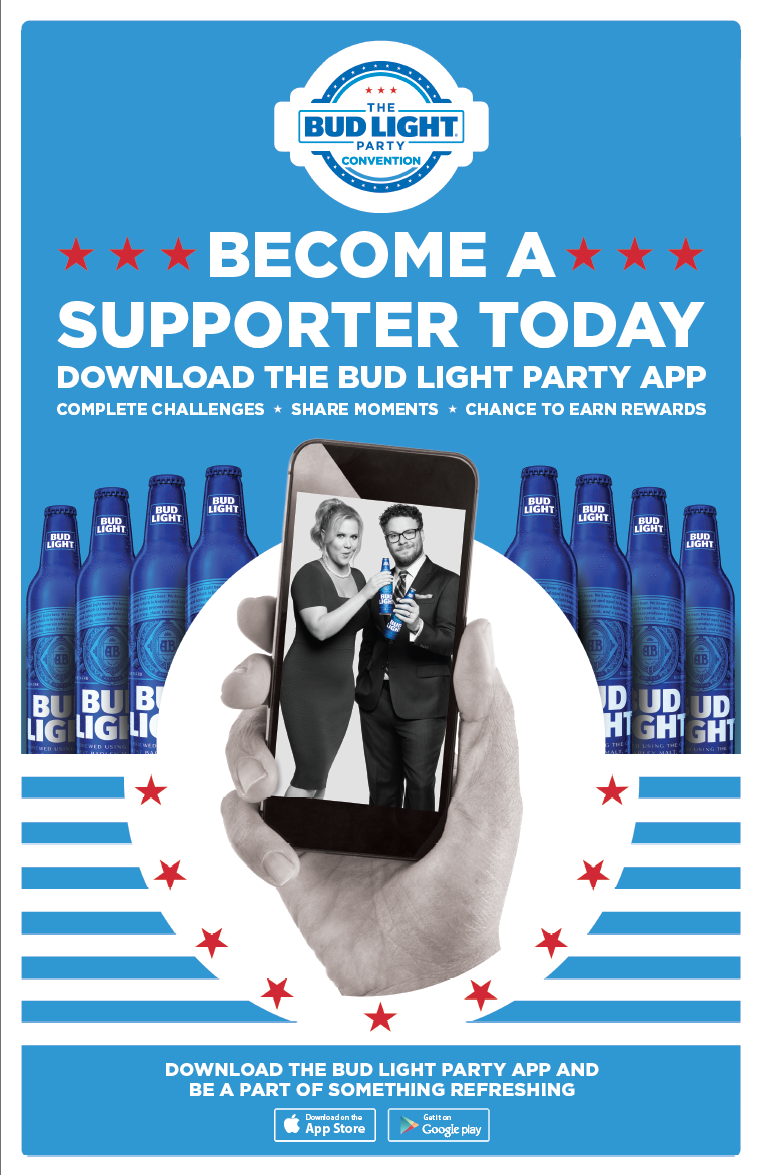
So when our Bud Light creative team got the chance to rebuild the original fun of party life, we took it offline from the prying eyes of parents, coworkers, and professional party-poopers… and put it inside an app.
Who’d actually socialize online with a bunch of strangers? Turns out quite a few people—if you give them the right room and keep the riffraff away.
A private space is becoming a luxury. Creating a username and moderating content weeds out most of the downers. For brands, that filtering is gold: the people who stick around are usually the ones creating your word-of-mouth advertising.
1. Play Nice in the Creative Sandbox
Sister agencies can feel like rival frat houses until someone actually shares the keg tap.
Big brands have multiple agencies, each with their own responsibility in a campaign. For Bud Light, we built their social app (MRY, now Publicis), but W&K NYC handled brand duties.
When W&K released their NFL Team Can designs, they gave us a heads-up and sent us early access to their assets. This gave us a chance to incorporate those assets into our social community in a very cool way by turning them into photo filters.
This idea came organically because our Project Managers scheduled enough time for good ideas to ferment. (Shoutout to Designer Alex Shelley for his sprint skills)

2. Give Ambassadors Space to Work
In hindsight, I realized public social media had turned photo-sharing into a performance. We gave people a private room and suddenly the cameras came back out—messy, fun, and a lot more human.
We had a direct connection to our biggest fans and giving them tools for sharing is what turns them into brand ambassadors.
More than ever, people are investing in their hobbies: 5% of their income, a record high. And they want to talk about them too. Brands that get it right have a huge opportunity to own the conversation.

3. Raise the Stakes with Real Rewards
We spread the swag at every tier.
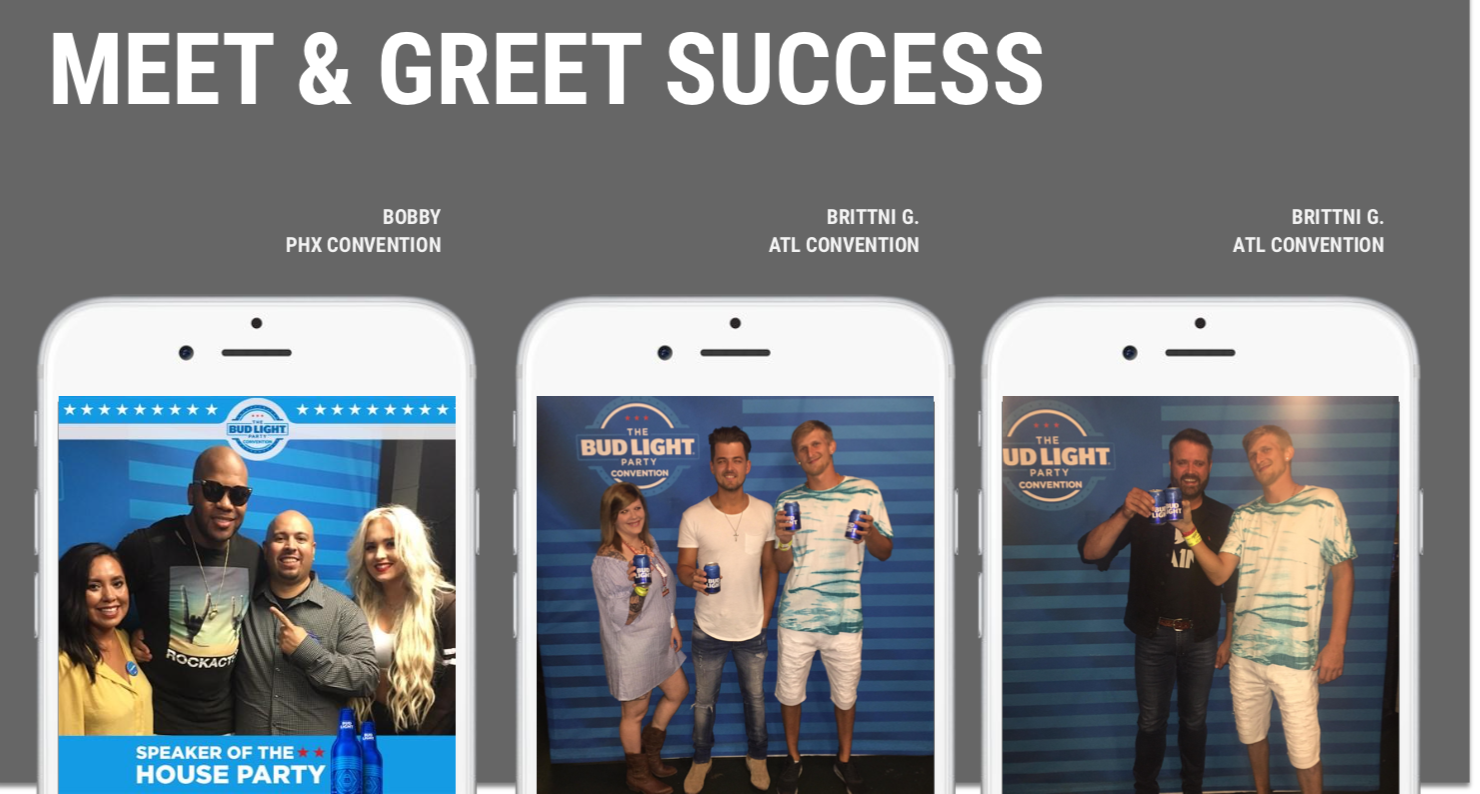
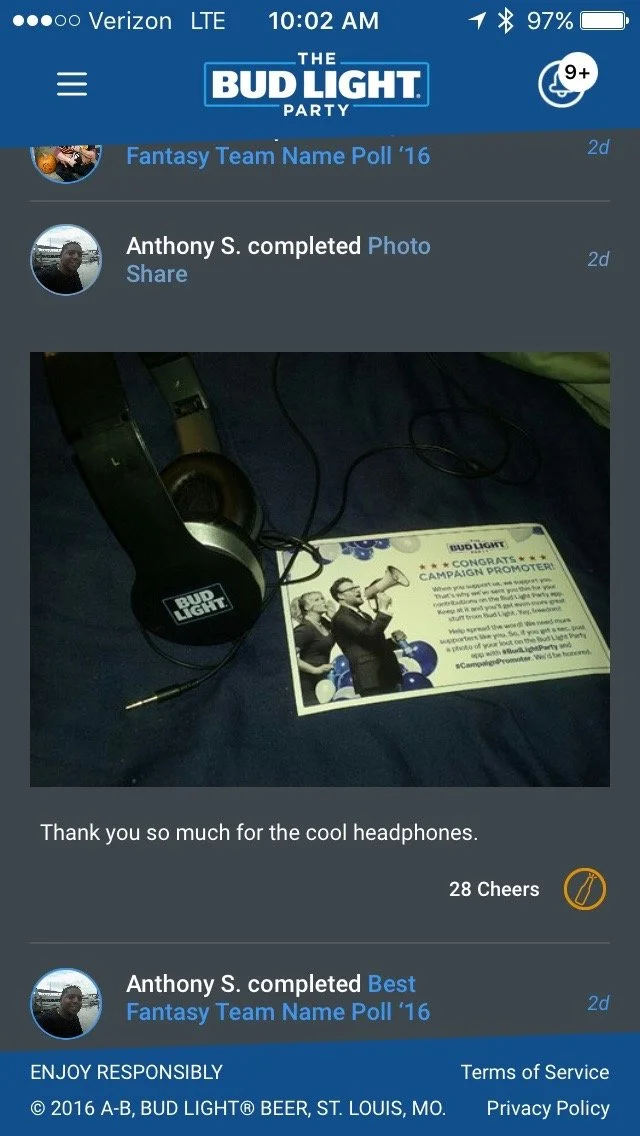
We used a points system to track our party people and rewarded them—small drops of swag one week, backstage passes the next. That’s when the online community stops feeling like a feed and starts feeling like an invitation.
Real rewards bridge the gap between the app and actual life. When that happened, we knew we had made a strong emotional connection with our audience—the gold standard of Marketing.